google.com, pub-1205142185266664 , DIRECT, f08c47fec0942fa0

7 Italian phrases about freedom | 7 frasi italiane sulla libertà

Alcuni pensieri di pensatori italiani per trovare ispirazione / Some thoughts of Italian thinkers to find inspiration

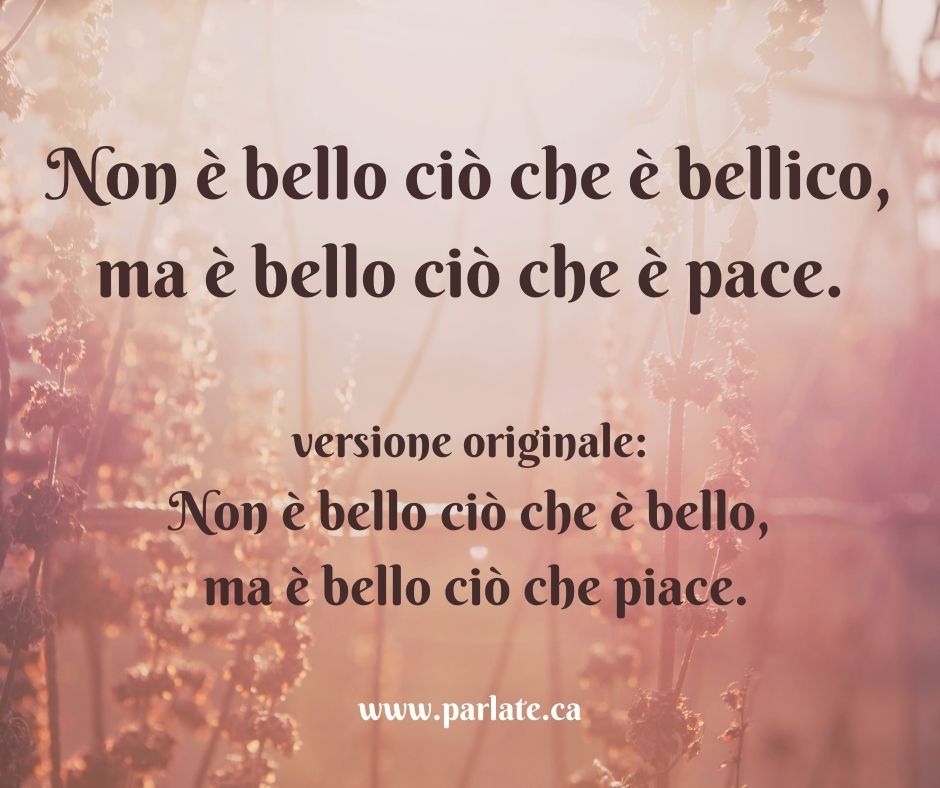
Un popolare proverbio italiano si trasforma con un gioco di parole bello/bellico e piace/pace in un’affermazione pro-pace.

Non è bello ciò che è bellico, ma è bello ciò che è pace.
– Versione originale: Non è bello ciò che è bello,ma è bello ciò che piace.

A popular Italian proverb turns into pro-peace word play of the words bello/bellico (beautiful/war) and piace/pace (like/peace)

What is beautiful is not bellic, but what is beautiful is peace.
– Original version: What is beautiful is not beautiful, but what you like is what is beautiful.

Troviamo ispirazione con questi 7 pensieri italiani sulla libertà
~
Let’s find inspiration with these 7 Italian thoughts about freedom:

“Lottate, ragionate col vostro cervello, ricordate che ciascuno è qualcuno, un individuo prezioso, responsabile, artefice di se stesso, difendetelo il vostro io, nocciolo di ogni libertà, la libertà è un dovere, prima che un diritto è un dovere.”
🕊️ Oriana Fallaci – giornalista, scrittrice e partigiana italiana

“Fight, think with your brain, remember that everyone is someone, a precious, responsible individual, creator of h*self, defend your ego, the core of all freedom, freedom is a duty, before being a right it is a duty.”

“Se i popoli della terra, coralmente, potessero esprimersi, al di sopra di ogni differenza ideologica, politica, di ogni razza, al di sopra di ogni credo, e di ogni differenza di credo religioso, tutti i popoli della terra si pronuncerebbero per la pace contro la guerra.”
🕊️ Sandro Pertini – politico, giornalista e partigiano italiano

“If the peoples of the earth, unanimously, could express themselves, above every ideological, political difference, of every race, above every creed, and every difference in religious belief, all the peoples of the earth would speak out for the peace against war. “

“Nei campi di sterminio era la poesia a tenere vicine le teste mangiate dai pidocchi, nelle baracche gelide, dimentiche delle piaghe, della dissenteria, della fame che lacerava lo stomaco. Chi conosceva una poesia a memoria, la ripeteva lentamente a voce alta e gli altri ascoltavano in cerchio, silenziosi, incantati.”
🕊️ Dacia Maraini – scrittrice

“In the extermination camps it was poetry that kept the heads eaten by lice close to each other, in the cold shacks, oblivious to the sores, the dysentery, the hunger that tore the stomach. Those who knew a poem by heart would repeat it slowly aloud and the others would listen in a circle, silent, enchanted. “

“La libertà è come l’aria: ci si accorge di quanto vale quando comincia a mancare.”
🕊️ Pietro Calamandrei – politico, avvocato e accademico italiano

“Freedom is like air: you realize what it’s worth when it begins to fail.”

“Se comprendere è impossibile, conoscere è necessario, perché ciò che è accaduto può ritornare, le coscienze possono nuovamente essere sedotte ed oscurate: anche le nostre.”
🕊️ Primo Levi – scrittore, chimico, partigiano e superstite dell’Olocausto

“If understanding is impossible, knowing is necessary, because what happened can return, consciences can again be seduced and obscured: ours too.”

“Io sono diventata ‘ministro’ dell’Ossola quando ancora le donne non avevano il diritto di voto […] per la prima volta nella storia del nostro Paese, una donna che non fosse una regina, una principessa, una badessa, è diventata una dirigente di governo.”
🕊️ Gisella Floreanini – prima ministra italiana

“I became a ‘minister’ of Ossola when women still did not have the right to vote […] for the first time in the history of our country, a woman who was not a queen, a princess, an abbess, became a government executive.”

“La guerra non si abolisce coi trattati, ma stimolando la riflessione e la cultura di tutti. 9 volte su 10 la vittima è un civile, 1 su 3 è un bambino.”
🕊️ Gino Strada – medico, attivista e scrittore

“War is not abolished with treaties, but by stimulating everyone’s reflection and culture. 9 times out of 10 the victim is a civilian, 1 out of 3 is a child. “


🕊️

Top Italian articles of the year | Gli articoli migliori dell’anno

Nel 2021 abbiamo esplorato la lingua italiana, ma anche dei gioielli culturali.
In 2021 we explored the Italian language, but also some cultural jewels.

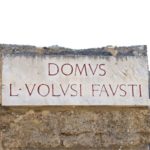
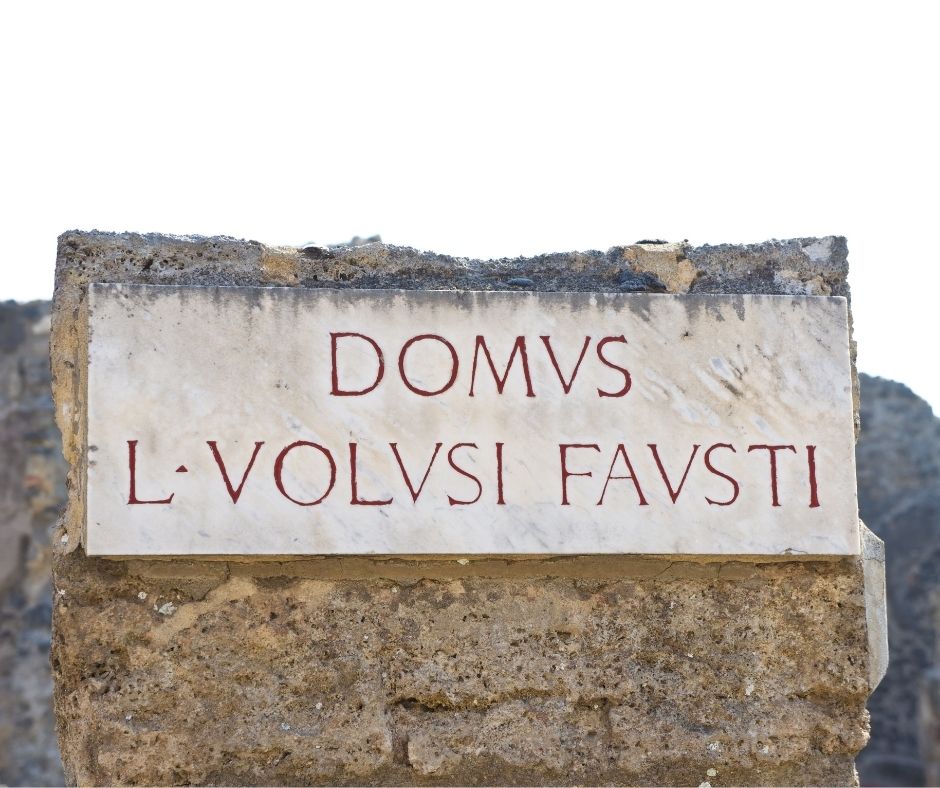
“Domus volusi fausti”, una scritta davanti a una casa tra le rovine di Pompei –
“I wanted a happy home”, a sign in front of a house in the ruins of Pompeii.

Rintracciamo il percorso fatto insieme quest’anno attraverso la bellissima lingua italiana, la magica cultura, l’infinito vocabolario e, dulcis in fundo, i viaggi nella magnifica terra italiana.

Quale ti è piaciuto di piu?

Let’s trace the journey made together this year through the beautiful Italian language, the magical culture, the infinite vocabulary and, last but not least, traveling to the magnificent Italian land.
Which one did you like the most?

Viaggiare in Italia

Un viaggio virtuale in Campania
– A virtual trip in Campania
Un viaggio virtuale in Trentino-Alto Adige
A virtual trip in Trentino-Alto Adige
Soggiorno gratis a Macchiagodena, Molise, in cambio di un libro
– Free stay in exchange for a book in Macchiagodena, in Molise
10 Castelli Italiani – Storia e fascino
– 10 Italian Castles – History and charm
Villaggi intelligenti
– Smart Villages
Alitalia, l’ultimo volo – economia e storia
– Alitalia, the last flight – Economics and history

Lingua italiana

Scioglilingua basati su una simmetria della frase
– Italian tongue twisters based on sentence symmetry
5 attività per l’ascolto e la pronuncia
– 5 Italian activities for listening and pronunciation
10 Canzoni per praticare l’italiano
– 10 songs to practice Italian
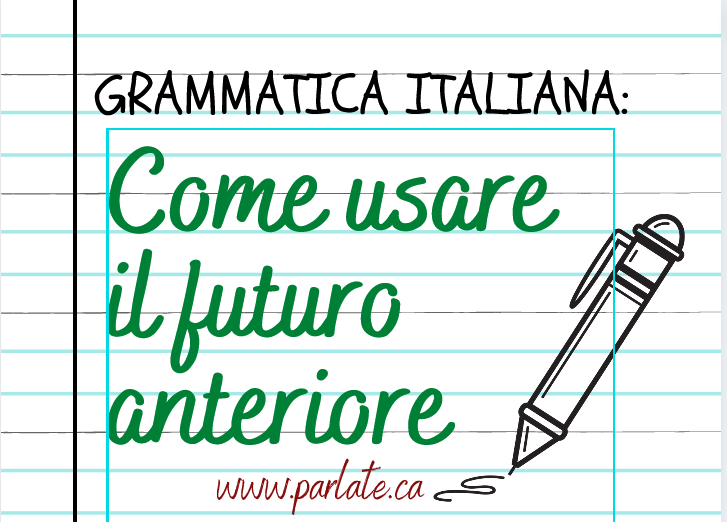
Come usare il futuro anteriore
– How to use futuro anteriore / the future perfect
Come usare ce l’ho – How to use ce l’ho
Come usare l’imperetto prospettivo
– How to use the imperfetto prospettivo
Come usare CI e NE con il verbo PENSARE
– How to use CI and NE with the verb PENSARE

Vocabolario italiano

Come usare le interiezioni in italiano
– How to use interjections in italian
Non fare questi 8 errori di vocabolario italiano
– Don’t make these 8 Italian word mistakes
Impara il vocabolario dei mobili, prima parte
– Learn Italian furniture words: vocabulary list part #1
Impara il vocabolario dei mobili, seconda parte
– Learn Italian furniture words: vocabulary list part #2
La frutta secca
– Dried fruits and nuts

Cultura italiana

Celebriamo il sommo poeta- 2021 l’anno di Dante
– Celebrating the great poet – 2021 the year of Dante
Quiz su Dante e la Divina Commedia
– Quiz on Dante and the Divine Comedy
Maria Messina, la scrittrice siciliana dimenticata
– Maria Messina, the forgotten Sicilian writer
Roma e le altre quattro capitali d’Italia
– Rome and the other four capitals of Italy
Schiacciata con l’uva ricetta
– Grape pizza recipe

How to use futuro anteriore | The future perfect – Italian verbs

(English follows)

Eccoci alle prese con uno dei verbi meno studiati dagli studenti di lingua italiana e meno usati nella lingua parlata: Il futuro anteriore (o futuro composto). Allora perche studiarlo mi chiederai? Tecnicamente il futuro anteriore è un tempo verbale che esprime fatti proiettati nel futuro ma avvenuti prima di altri. In poche parole illustra il rapporto temporale tra due eventi futuri. Non viene comunemente insegnato agli stranieri per la sua apparente complessità. Comunque esiste anche in inglese e concide con il future perfect.

Ma come vedremo negli esempi che seguono, il futuro anteriore ha un ruolo importante. Ha una funzione tanto importante da essere fondamentale nei testi giuridici.

Il futuro anteriore è molto simile nella sua costruzione al passato prossimo, con l’unica differenza che il verbo ausiliare (essere o avere) usa il futuro semplice.

Tabella del futuro anteriore di verbi regolari in:
-are, -ere, -ire

Parl-are Ricev-ere Part-ire
IoAvrò parl-atoAvrò ricev-uto Sarò part-ito/a
TuAvrai parl-atoAvrai ricev-uto Sarai part-ito/a
Lui/LeiAvrà parl-atoAvrà ricev-uto Sarà part-ito/a
NoiAvremo parl-atoAvremo ricev-uto Saremo part-iti/e
VoiAvrai parl-atoAvrete ricev-uto Sarete part-iti/e
LoroAvranno parl-atoAvranno ricev-uto Saranno part-iti/e

Quando si usa l’ausiliare “essere” ricordati di concordare il futuro anteriore con il soggetto:
Maschile singolare: Fra un mese, sarò partito per l’Italia.
Femminile singolare: Fra un mese, sarò partita per l’Italia.
Maschile plurale: Fra un mese, saremo partiti per l’Italia.
Femminile plurale: Fra un mese, saremo partite per l’Italia.
Misto maschile/femminile plurale: Fra un mese, saremo partiti per l’Italia.

Quando si usa il futuro anteriore?

Si usa per parlare di un’azione futura che si è gia conclusa prima di un’altra azione futura:
Domani a mezzogiorno saremo già arrivati al mare.
Tomorrow at noon we will already have arrived by the seaside.

Si usa nei casi in cui si esprime ipotesi o dubbio sul passato:
Non è venuta al lavoro ieri, sarà stata malata.
She didn’t come to work yesterday, she must have been sick.

Nella lingua parlata il futuro anteriore viene spesso sostituito con il futuro semplice e il passato prossimo:

(1) Quando arriveranno gli ospiti, inizieremo a pranzare.
Invece di:
Quando saranno arrivati gli ospiti, inizieremo a pranzare.
– When the guests will have arrived, we’ll start eating lunch.

(2) Quando avete finito di usare il passapomodoro, ce lo prestate?
Invece di:
Quando avrete finito di usare il passapomodoro, ce lo presterete?
– When you will have finished using the tomato press, will you lend it to us?

Due alternative al futuro anteriore usate nel linguaggio parlato:

1. dopo + participio passato

Dopo che avrò studiato guarderò un film. = Dopo aver studiato guarderò un film.
– After having studied, I’ll watch a film

2. forse + passato prossimo

Maria non mi ha chiamato, si sarà dimenticata. = Maria non mi ha chiamato, forse si è dimenticata.
Maria didn’t call me, maybe she forgot.


Tocca a te! Prova a scrivere delle frasi nei commenti usando il futuro anteriore!


English version:

Here we are tackling one of the verbs less studied by students of the Italian language and less used in the spoken language: Il futuro anteriore (o futuro composto). So why study it you might ask me? Technically, the il futuro anteriore is a verbal tense that expresses facts projected into the future but that occurred before others. In a nutshell, it illustrates the temporal relationship between two future events. It’s not commonly taught to foreigners due to its apparent complexity. However, it also exists in English and coincides with the future perfect.

But as we will see in the examples that follow, the futuro anteriore plays an important role. It has such an important function that it’s fundamental in legal texts.

The futuro anteriore is very similar in its construction to the passaro prossimo/present perfect, with the only difference that the auxiliary verb (essere/to be or avere/to have) uses the simple future.

Futuro anteriore, chart of regular verbs in:
-are, -ere, -ire

Parl-are Ricev-ere Part-ire
IoAvrò parl-atoAvrò ricev-uto Sarò part-ito/a
TuAvrai parl-atoAvrai ricev-uto Sarai part-ito/a
Lui/LeiAvrà parl-atoAvrà ricev-uto Sarà part-ito/a
NoiAvremo parl-atoAvremo ricev-uto Saremo part-iti/e
VoiAvrai parl-atoAvrete ricev-uto Sarete part-iti/e
LoroAvranno parl-atoAvranno ricev-uto Saranno part-iti/e

When using the auxiliary “essere/to be” remember that il futuro anteriore agrees with the subject:
Masculine singular: Fra un mese, sarò partito per l’Italia.
Feminine singular : Fra un mese, sarò partita per l’Italia.
Masculine plural: Fra un mese, saremo partiti per l’Italia.
Feminine plural: Fra un mese, saremo partite per l’Italia.
Mixed masculine/feminine plural: Fra un mese, saremo partiti per l’Italia.

When is il futuro anteriore used?

It is used to talk about a future action that has already ended before another future action:
Domani a mezzogiorno saremo già arrivati al mare.
– Tomorrow at noon we wil already have arrived by the seaside.

It is used in cases where hypotheses or doubts about the past are expressed:
Non è venuta al lavoro ieri, sarà stata malata.
– She didn’t come to work yesterday, she must have been sick.

In spoken language, il futuro anteriore is often replaced with the futuro semplice/simple future and the passato prossimo:

(1) Quando arriveranno gli ospiti, inizieremo a pranzare.
Instead of:
Quando saranno arrivati gli ospiti, inizieremo a pranzare.
– When the guests will have arrived, we’ll start eating lunch.

(2) Quando avete finito di usare il passapomodoro, ce lo prestate?
Invece di:
Quando avrete finito di usare il passapomodoro, ce lo presterete?
– When you will have finished using the tomato press, will you lend it to us?

Two alternatives to il futuro anteriore used in spoken language:

1. dopo + participio passato

Dopo che avrò studiato guarderò un film. = Dopo aver studiato guarderò un film.
– After having studied, I’ll watch a film

2. forse + passato prossimo

Maria non mi ha chiamato, si sarà dimenticata. = Maria non mi ha chiamato, forse si è dimenticata.
Maria didn’t call me, maybe she forgot.

It’s your turn! Try writing sentences in the comments using il futuro anteriore!

Villaggi intelligenti – Smart Villages | Italian Home

Il fenomeno della deurbanizzazione dalle città intelligenti ai villaggi intelligenti

(English follows)

Da Città intelligenti a Villaggi intelligenti

In Europa si discuteva già nel 2015 di una ridistribuzione della popolazione presso le zone rurali. Il fenomeno della deurbanizzazione dei borghi accomuna tutto il Vecchio Continente. La tematica però ha assunto maggiore rilievo nel 2020 con l’incremento dello slow tourism, il turismo lento, e del turismo locale. Durante il lockdown si è parlato molto di città intelligenti, smart city, soprattutto quando si attendeva il ritorno alla vita sociale e cittadina. Il dibattito si sposta adesso in periferia. Vediamo che dopo le città, anche borghi e paesini diventano “smart” e prendono il nome di smart village, villaggi intelligenti, ossia borghi e paesini in cui sostenibilità e riqualificazione si incontrano e creano benefici su diversi livelli.

Da un lato secondo gli esperti bisogna iniziare a rendere più autonomi i paesi, dall’altro progettare una decrescita della città. Rivitalizzare le aree rurali e le comunità invece di costruire ex novo, riqualificando ciò che già è presente nel luogo.

Gruppo tematico sui Villaggi intelligenti

Un gruppo tematico (WG) ha analizzato questo argomento dei “Villaggi intelligenti” da settembre 2017 a luglio 2020. Ha esplorato idee e iniziative per rilanciare i servizi rurali attraverso l’innovazione digitale e sociale. Ha esaminato soluzioni per potenziare e rendere più sostenibili i servizi rurali, quali ad esempio la sanità, i servizi sociali, l’istruzione, l’energia, i trasporti o il commercio al dettaglio, grazie all’impiego delle tecnologie dell’informazione e della comunicazione (TIC) e a progetti e azioni locali di tipo partecipativo.

Si è concentrato anche sulla produzione e distribuzione locale di energia alternativa, diminuzione dell’impatto ambientale nel settore alimentare (attraverso la valorizzazione della produzione locale del cibo), e mediante la diminuzione del consumo di suolo.

Ha definito una guida pratica sull’utilizzo di tutti gli strumenti strategici atti a favorire la nascita e lo sviluppo di villaggi intelligenti. Inoltre ha creato un collegamento tra le varie iniziative in corso, che dimostrano il crescente interesse che questo tema suscita a tutti i livelli.

Il primo esempio di Villaggio intelligente

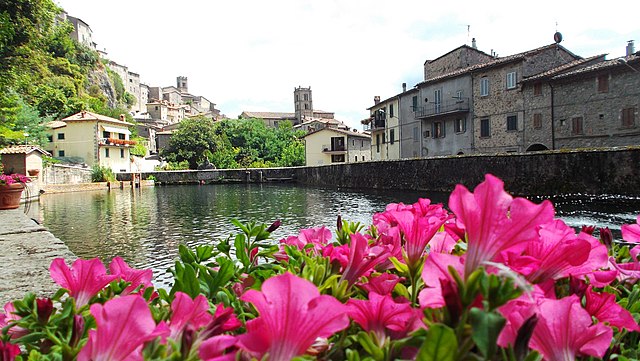
Il primo villaggio intelligente nasce in un borgo toscano che conta poco più di 2500 residenti. Il borgo di Santa Fiora sul Monte Amiata, in provincia di Grosseto ha messo a punto nel 2021 un progetto per trasformarsi nel primo villaggio Intelligente d’Italia. Non solo c’e’ la banda ultralarga per una connessione efficiente e veloce, ma persino un servizio di bici elettrica. Inoltre non mancano l’idraulico e il muratore a domicilio e la possibilità per le famiglie, di assumere una delle baby sitter messa a disposizione da una cooperativa locale. Da un loft si gode della vista dell’affascinante peschiera, voluta dagli Aldobrandeschi per convogliare l’acqua del monte Amiata.

“L’esperienza del Covid-19 – spiega il sindaco di Santa Fiora, Federico Balocchi – ci ha costretto a rivedere l’organizzazione del lavoro sperimentando su larga scala lo smart working. Alcune strutture turistiche d’Italia hanno colto questa opportunità con un’offerta su misura per il lavoratore che cerca un ambiente rilassante, al mare o in montagna. Nel caso di Santa Fiora è un intero comune che si propone come smart working village”. “Crediamo, infatti – aggiunge Balocchi – che il lavoro da remoto, non sia solo una soluzione temporanea per affrontare l’emergenza, ma possa rappresentare il futuro, almeno per certe professioni, mettendo in modo intelligente la persona nella condizione di operare al meglio per la propria azienda e al tempo stesso di essere felice, senza dimenticare che stare bene significa anche essere più produttivi. Con il bando vogliamo offrire un incentivo per stimolare questo tipo di scelta, ma ovviamente l’auspicio è che dopo un periodo di prova, per alcuni Santa Fiora diventi una scelta permanente venendo a vivere definitivamente qui con la famiglia”.

Il vantaggio dei paesi è quello di contenere una comunità in grado di cooperare più facilmente. Infatti la differenza tra villaggi intelligenti e città intelligenti va al di là del potenziale sostenibile e digitale.

Ti piacerebbe vivere in un villaggio intelligente?


English version

From Smart Cities to Smart Villages
In Europe there was already discussion in 2015 of a redistribution of the population in rural areas. The phenomenon of the deurbanization of the villages unites the entire Old Continent. The issue, however, took on greater importance in 2020 with the increase in slow tourism, turismo lento, and local tourism. During the lockdown there was much talk of smart cities, città intelligenti , especially when the return to social and city life was expected. The debate now moves to the suburbs. We’ve seen that after the cities, even villages have become “smart” and are called smart villages, villaggi intelligenti, where sustainability and redevelopment meet and create benefits on different levels. On the one hand, according to experts, we need to start making the villages more autonomous, on the other, planning a decrease in the city. Revitalizing rural areas and communities instead of building from scratch, therefore redeveloping what is already present in the place.

Thematic Group on Smart Villages
A thematic group (WG) analyzed this “Smart Villages” topic from September 2017 to July 2020. It explored ideas and initiatives to revive rural services through digital and social innovation. It explored ways to enhance and make rural services more sustainable, such as health, social services, education, energy, transport or retail, through the use of information and technology technologies. communication (ICT) and community-based local projects and actions.
It also focuses on the local production and distribution of alternative energy, reduction of the environmental impact in the food sector (through the enhancement of local food production), and through the reduction of land consumption.
It has defined a practical guide on the use of all the strategic tools aimed at favoring the birth and development of smart villages. It has also created a link between the various ongoing initiatives, which demonstrate the growing interest that this topic arouses at all levels.

The first example of an intelligent village
The first intelligent village was born in a Tuscan village that has just over 2500 residents. The village of Santa Fiora on Monte Amiata, in the province of Grosseto developed a project in 2021 to become the first Intelligent village in Italy. Not only is there ultra-broadband for an efficient and fast connection, but even an e-bike service. There is also no shortage of plumbers and bricklayers and the possibility for families to hire one of the babysitters made available by a local cooperative.
From a loft you can enjoy the view of the fascinating fish pond, commissioned by the Aldobrandeschi to convey the water of Mount Amiata.
“The experience of Covid-19 – explains the mayor of Santa Fiora, Federico Balocchi – forced us to review the organization of work by experimenting with smart working on a large scale. Some tourist facilities in Italy have seized this opportunity with a tailor-made offer for the worker looking for a relaxing environment, by the sea or in the mountains. In the case of Santa Fiora it is an entire municipality that proposes itself as a smart working village “. “We believe, in fact – adds Balocchi – that remote work is not only a temporary solution to deal with the emergency, but can represent the future, at least for certain professions, intelligently putting the person in the condition to work at their best for your company and at the same time being happy, without forgetting that feeling good also means being more productive. With the announcement we want to offer an incentive to stimulate this type of choice, but obviously the hope is that after a trial period, for some Santa Fiora will become a permanent choice by coming to live here permanently with the family “.
The advantage of the villages is that they contain a community that is able to cooperate more easily, in fact the difference between smart village and smart city goes beyond the sustainable and digital potential.

Would you like to live in a smart village?

Don’t make these 8 Italian word mistakes

Non fare questi 8 errori di vocabolario italiano

Negli ultimi due decenni molte parole italiane sono state assorbite nelle abitudini di vita di tutto il mondo. Sebbene a volte il significato di queste parole, spesso relative al cibo, ad alcuni sia sconosciuto, sono tuttavia pronunciate con orgoglio. Vorrei che i laboriosi immigrati italiani della metà del XX secolo potessero vedere che l’italiano ora è di moda. Tuttavia, avrai sentito le discussioni che si stanno verificando in Italia negli ultimi anni sul fatto che la lingua italiana ha adottato molte parole straniere in particolare dall’inglese e dal francese. Al centro di queste discussioni c’è L’Accademia della Crusca, fondata nel 1583 a Firenze, i cui fondatori erano originariamente chiamati la brigata dei Crusconi e costituivano un circolo composto da poeti, letterati e giuristi. Questa società di studiosi di linguistica e filologia italiana è il più importante istituto di ricerca sulla lingua italiana, nonché la più antica accademia linguistica del mondo.

In the past couple of decades many Italian words have been absorbed in the lifestyle habits around the world. Although at times the meaning of these words, often pertaining to food, are unknown to some, they are yet uttered with pride. I wish the hard working Italian immigrants of the mid 20th century could see that Italian is now trendy. However, you may have heard the discussions taking place in Italy in recent years over the fact that the Italian language has been adopting many foreign words in particular from English and French. At the forefront of these discussions is L’Accademia della Crusca, founded in 1583 in Florence, whose founders were originally called la brigata dei Crusconi and constituted a circle composed of poets, men of letters, and lawyers. This society of scholars of Italian linguistics and philology is the most important research institution of the Italian language, as well as the oldest linguistic academy in the world.

Il suo obiettivo è di mantenere la purezza della lingua italiana. Infatti il nome Crusca è una metafora per il suo lavoro nel setacciare parole e strutture corrotte (come la crusca è separata dal grano). “Il più bel fior ne coglie”, un famoso verso del poeta italiano Francesco Petrarca è il motto dell’Accademia. Arrivati al 21° secolo c’è la preoccupazione che la lingua italiana svanisca o semplicemente diventi un minestrone. Quindi come ambasciatrice della lingua e della cultura italiana non uso mai parole straniere per sostituire una parola che già esiste in italiano. Quindi non mi sentirai mai dire “hai delle news” invece di “hai delle notizie oppure “nel weekend vado al mare” invece di “nel fine settimana vado al mare”.

Its goal is to maintain the purity of the Italian language. In fact Crusca, which means “bran” in Italian, is a metaphor for its work is to sift out corrupt words and structures (as bran is separated from wheat). “Il più bel fior ne coglie” (‘She gathers the fairest flower’), a famous line by the Italian poet Francesco Petrarca is the academy motto. Fast forward to the 21st century and there is concern that the Italian language will vanish or simply become un minestrone. So as an ambassador of the Italian language and culture I never use foreign words to replace a word that already exists in Italian. Therefore, you’ll never hear me say “hai delle news” instead of hai delle notizie oppure “nel weekend vado al mare” instead of “nel fine settimana vado al mare“.

Se hai viaggiato in Italia, avrai notato che gli italiani apprezzano quando gli stranieri si sforzano di parlare in italiano, e non gli dispiace affatto quando pronunci male una parola o fai fatica con alcune parole o frasi, in realtà gli italiani saranno più che felici di aiutarti a dirlo nel modo giusto. Tuttavia, potresti avere problemi a farti capire se usi o pronunci parole in modo errato. Facciamo un po’ di ordine partendo dalle seguenti otto parole che ho notato in Nord America hanno particolarmente bisogno di un po’ di amore!

If you have traveled to Italy, you may have noticed that Italians appreciate it when foreigners make an effort to speak Italian, and they don’t mind it at all when you mispronounce a word or struggle with some words or phrases, actually Italians will be more than happy to help you say it just right. However, you may have problems being understood if you’re using or pronouncing words incorrectly. Let’s make some order starting from following eight words which I noticed in North America are particularly in need of a bit of love!

1. Il biscotto / i biscotti

I biscotti riportano alla memoria i ricordi d’infanzia di quando mia mamma sfornava magicamente infiniti vassoi di biscotti in appena un paio d’ore. La casa si riempiva del dolce profumo di mandorle, vaniglia, cacao, scorza di limone. Mi sembrava di vivere ”in una casa di zucchero”. Preparava abbondanti quantità di biscotti e li conservava nel congelatore per gli ospiti fortunati. Il gigante congelatore era pieno di mostaccioli, amaretti, pesche e anche tante varietà di torte. Oggigiorno i biscotti hanno conquistato il mondo al plurale, giustamente. Ma se ne ordini solo 1, e non so come fai, è un sostantivo maschile singolare ”un biscotto”, mentre il plurale è “biscotti”. Mi sembra comunque tenero sentire qualcuno ordinare i “biscottis”.

Biscotti bring back childhood memories of when my mom would magically “sfornare” /bake endless trays of biscotti in just a couple of hours. The house would be filled with the sweet smell of almonds, vanilla, cacao, lemon zest. I felt like I was living “in una casa di zucchero”. She used to make copious amounts of biscotti and treasure them in the freezer for lucky guests. The giant freezer was packed with mostaccioli, amaretti, pesche, and a variety of cakes, too. Nowadays, biscotti, not biscottis, have taken over the world in their plural form, rightfully so. But if you order just 1, and I don’t know how you do it, it’s a singular masculine noun “un biscotto”, while the plural is “biscotti”. I still think it’s endearing when I hear someone order “a biscottis.”

2. Il gelato

Tutti amano il gelato e molti vogliono provarlo anche se non sanno cosa sia. Come la signora che ho visto una volta precipitarsi in un Caffè/bar a Little Italy in College Street a Toronto chiedendo al barista se poteva avere un “gelaro” apparendo perplessa non sapendo in cosa si stesse cacciando – sicuramente qualcosa di appetitoso secondo i racconti che l’avevano portata lì in primo luogo. Il barista sorrise indicando l’affare misterioso proprio di fronte a lei e disse “…è gelato!” Il gelato più amato al mondo. In italiano la “t” non si pronuncia come una “r”. Assicurati di pronunciare la “t” con la lingua premuta contro la parte posteriore dei denti anteriori in modo da poter essere serviti senza indugio questa prelibatezza italiana congelata!

Everybody loves gelato and many want to try it even if they don’t know what it is. Like the lady who once rushed into a Cafe’ in Little Italy on College Street in Toronto asking the barista if she could have a “gelaro” appearing puzzled and not knowing what she was getting herself into – surely something yummy according to the recounts that led her there in the first place. The barista grinned indicating right in front of her and said “..it’s ice-cream!” The most loved ice-cream in the world, il gelato. The t is not pronounced as an r in Italian. Be sure to voice the t with your tongue against the back of your front teeth so you can be served this frozen Italian delicacy without delay!

3. Il latte

Latte significa latte in italiano, quindi se ordini un “latte” in Italia, ti verrà servito un bicchiere di latte. Se chiedi un “grande” (stile Starbucks), riceverai un grande bicchiere di latte semplicemente! Ma se ci vuoi davvero del caffè dentro, dovrai chiedere un caffè latte, che significa caffè con latte. Inoltre, il mio consiglio, ogni volta che ordini qualsiasi tipo di cibo in Italia di cui non sei sicuro/a, scegli quello “piccolo” per evitare grandi sorprese!

Latte means milk, so if you order a “latte” in Italy, you’ll be served a glass of milk, un bicchiere di latte. If you ask for a “grande” (Starbucks style), you’ll get a big glass of plain milk! But if you actually want some coffee in it, you really want to ask for un caffè latte, which means milk coffee. My advice is that whenever you’re ordering any kind of food in Italy that you’re unsure of, just go for piccolo “small” to avoid big surprises!

4. Il peperone

Questo è stato in realtà l’ostacolo più grande per me all’estero perché non mangio carne. In italiano il peperone è l’ortaggio. Quindi in Italia se chiedi il peperone è esattamente quello che otterrai, sicuramente non le fette di salame. Mentre invece il pepperoni, con la doppia p, è una varietà americana di salame. In italiano si chiama semplicemente salame e basta chiedere quello.
Allora, pizza con salame o pizza con peperoni?

This was actually the biggest hurdle for me abroad as I don’t eat meat. In Italian il peperone is the vegetable, the bell pepper. So in Italy if you ask for peperone then that’s exactly what you’ll get, definitely not salami slices. While on the other hand pepperoni, with a double p, is an American variety of salami. In Italian it’s simply called salame and just ask for that.
So, pizza con salame or pizza con peperoni?

5. La bruschetta

Che buona la bruschetta! Il problema è che se la pronunci nello stile inglese “brushera” i camerieri italiani in Italia saranno nel pallone! Ovviamente le tre lettere sch sono spesso pronunciate male. Ma se le pronunci bene potrai ordinare la bruschetta anche in Italia. Tecnicamente pronuncia la -s (togli il suono “sh” inglese) e pronuncia “ch” che in italiano è come la “c” di cat o la “k” di kite, e otterrete “brusketta”. E infine la doppia “t”… rendila forte, con la lingua contro i denti anteriori, e dimostra con forza che ci tieni davvero!

Che buona la bruschetta! The problem is that if you pronounce it English style “brushera” Italian waiters in Italy will be clueless! Of course thethree letters sch are often mispronounced. But if you pronounce it right you’ll be able to order la bruschetta in Italy, too. Technically you pronounce the -s (remove the “sh” sound) and pronounce “ch” which in Italian is like the “c” in cat or the “k” in kite, and you’ll get “brusketta”. And finally the double “t”… make it strong, tongue against your front teeth, and show that you really mean it!

6. Pronto vs presto

La parola “pronto” ha un altro cugino italiano che molti ignorano, ed è presto. Oggigiorno ”pronto” è usato per significare essere preparato, disposto, mentre presto significa fra breve o rapidamente! “Sono pronto/a.” Anche quando rispondi al telefono “Pronto, chi parla?” Presto è un altro paio di maniche, per esempio “Arrivo presto.”
Quindi, Sei pronto/a per andare in Italia presto?

The word “pronto” has another Italian cousin that many ignore, and that’s presto. Nowadays ”pronto” is used to mean ready and presto means soon! “Sono pronto/a” – I’m ready! Also when you answer the phone “Pronto, chi parla?” Presto has another pair of sleeves, for example “Arrivo presto.” – I’ll be there soon!
So, Sei pronto/a per andare in Italia presto?

7. Il problema

Penso che le pubblicità americane abbiano propagato l’errore ”No problemo!”. Si dice “nessun problema”. Le regole grammaticali impongono che i nomi maschili debbano terminare in -o e i nomi femminili in -a. Tuttavia, sono sicura che ormai saprai che in italiano ci sono eccezioni alla maggior parte delle regole ed eccone una. Sebbene la maggior parte dei nomi che terminano in -a siano femminili, ci sono alcuni nomi di origine greca che terminano con il suffisso -ma, che sono ancora maschili nonostante l’ingannevole desinenza -a ed è richiesto l’articolo maschile “il”. Quindi se lo desideri dai pure la colpa di questa eccezione al greco!

I think American commercials have propagated the ”No problemo!” mistake. The proper translation of “nessun problema” is “il problema”. Grammar rules dictate that masculine nouns must end in -o and feminine nouns must end in -a. However, I’m sure you know by now that in Italian there are exceptions to most rules and this is one of them. Although most nouns ending in -a are feminine, there are some nouns of Greek origin ending with the suffixe -ma, which are still masculine despite the deceiving -a ending and the masculine article “il” is required. So go ahead and blame this one on the Greek if wish!

8. Il cannolo / i cannoli

Ahimè, il cannolo proprio come il biscotto rientra nella categoria degli errori col doppio plurale. Il plurale in italiano differisce dalle altre lingue, in quanto non usa la -s, e invece si modifica la vocale che termina la parola: la -o maschile diventa -i e la -a femminile diventa -e. È comprensibile questo errore dato che i cannoli sono così buoni che vorresti moltiplicarli all’infinito chiamandoli cannolis al plurale, ma la grammatica ha i suoi limiti, per fortuna!

Alas, cannolo just like biscotto falls into the double plural mistake category. Pluralizing in italian differs from other languages, as it doesn’t use an -s, instead you modify the vowel at the end: masculine -o becomes -i and femminine -a becomes -e. This mistake is understandable since cannoli are so good you’d like to multiply them infinitely calling them cannolis in the plural form, but grammar has it’s limits, luckily!

Potrebbero esserci altre parole da aggiungere a questa lista, fammi sapere nei commenti se ne hai sentite altre che vengono spesso sbagliate!

There may be more words to add to this list, let me know in the comments if you’ve heard of any other words that are often mistaken!

A presto!

Mirella


10 Italian old songs to practice Italian

“Canta che ti passa” is an Italian saying that encourages you to “Sing to take your mind off it”.

Ecco 10 canzoni per praticare l’italiano

(English follows)

Spero che tu abbia iniziato il 2021 in buona salute.

Sto trascorrendo del tempo al mare, il mio posto preferito per ritrovare pace e armonia. Ogni giorno incontro degli aironi, immobili come delle statue di Donatello, che mi rammentano l’importanza allo stesso tempo della lentezza e della destrezza, cioè saper aspettare per poi cogliere al volo le opportunità che ci si presentano.

Mentre aspetto, mi preparo e cerco di vivere al meglio il presente facendo le attività che mi portano gioia: canto, ballo, scrivo e disegno. Quali sono le cose che ti rendono felice?

Cantiamo e balliamo insieme? Ho compilato una breve lista di alcune delle tante vecchie canzoni italiane che mi fanno venire voglia di sorridere e cantare (e ballare!). A proposito, sai che cantare è un ottimo modo per perfezionare la lingua?

I hope you have started 2021 in good health.
I’m spending time by the sea, my favorite place to find peace and harmony.
Every day I meet herons, motionless like a Donatello statue, who remind me of the importance of slowness and dexterity at the same time, that is, knowing how to wait and then seize the opportunities that present themselves.

While I wait, I prepare myself and try to better live the present by doing the activities that bring me joy: singing, dancing, writing and drawing. What are the things that make you happy?

Shall we sing and dance together? I’ve compiled a short list of some of the many old Italian songs that make me want to smile and sing (and dance!). By the way, did you know that singing is a great way to perfect languages?

Image may contain: text that says 'ROMA già TALMONE Caffe Pasticceria TORINO zucchero bustina non vendibile singolarmente'
Un mio disegno di una bustina di zucchero ritrovata in valigia . / A drawing of mine of a sachet of sugar found in my suitcase.

Ecco un po’ di musica per sollevarci il morale! Alla fine troverai un documentario sulla storia della Taranta, una danza folcloristica dell’Italia meridionale.

Here’s some music to cheer us up! You’ll find a documentary at the end about the history of la Taranta, a southern folk lore Italian dance.

Mina – Tintarella di luna

Franco Battiato – Cuccurucucù

Edoardo Bennato – Il gatto e la volpe

Antonella Ruggero – Vacanze Romane
Paolo Conte – Via con me

Nada – Amore disperato

https://youtu.be/vk69MwiRhLE

Rino Gaetano – Ma il cielo è sempre più blu

Rita Pavone – Viva la pappa col pomodoro

Alghero – Giuni Russo

Renato Carosone – Tu vuò fà l’americano

Taranta – Canzoniere Grecanico Salentino (ft L. Einaudi)


DOCUMENTARIO –
La taranta, di Gianfranco Mingozzi


Altri articoli da leggere / more articles to read:


Pedalando i luoghi del ciclismo

In quest’articolo mio fratello ci parla della sua passione per il ciclismo e della scoperta dei magici luoghi italiani del ciclismo. Il titolo “Pedalando i luoghi del ciclismo” non è di facile traduzione in inglese. Mentre sarebbe facile in francese “En pédalant les lieux du cyclisme”.
Azzardiamo con
“Mountains, cycling, and fresh air in Italy?” 😃

In this article my brother talks about his passion for biking and the discovery of the magical Italian places of cycling. The title “Pedalando i luoghi del ciclismo” is not easy to translate into English. While it would be easy in French “En pédaler les lieux du cyclisme”.
Shall we dare with “Mountains, cycling, and fresh air in Italy?”
😃

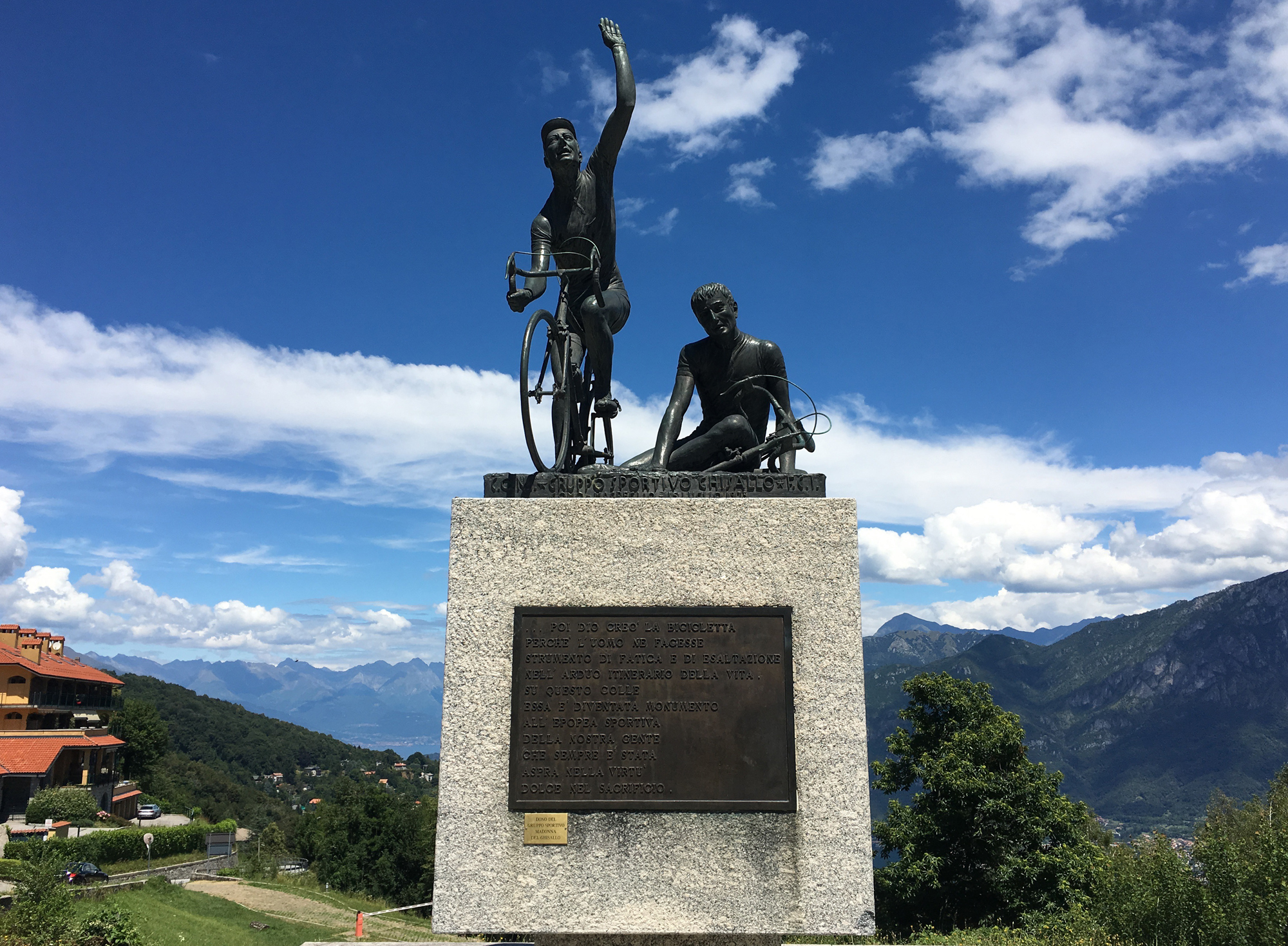
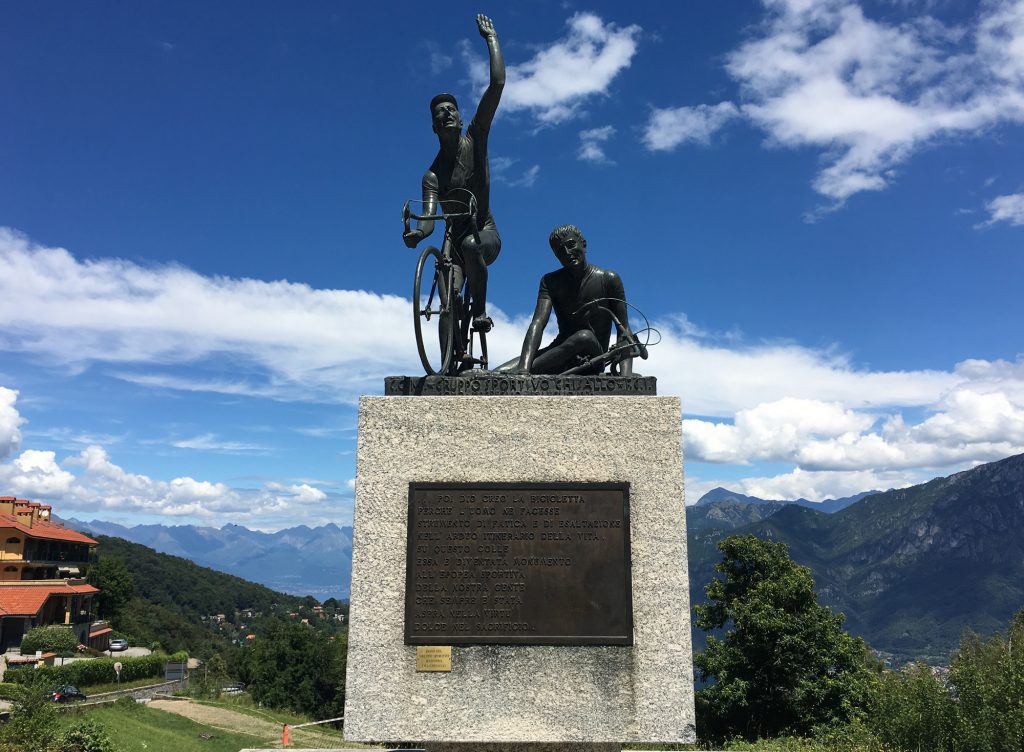
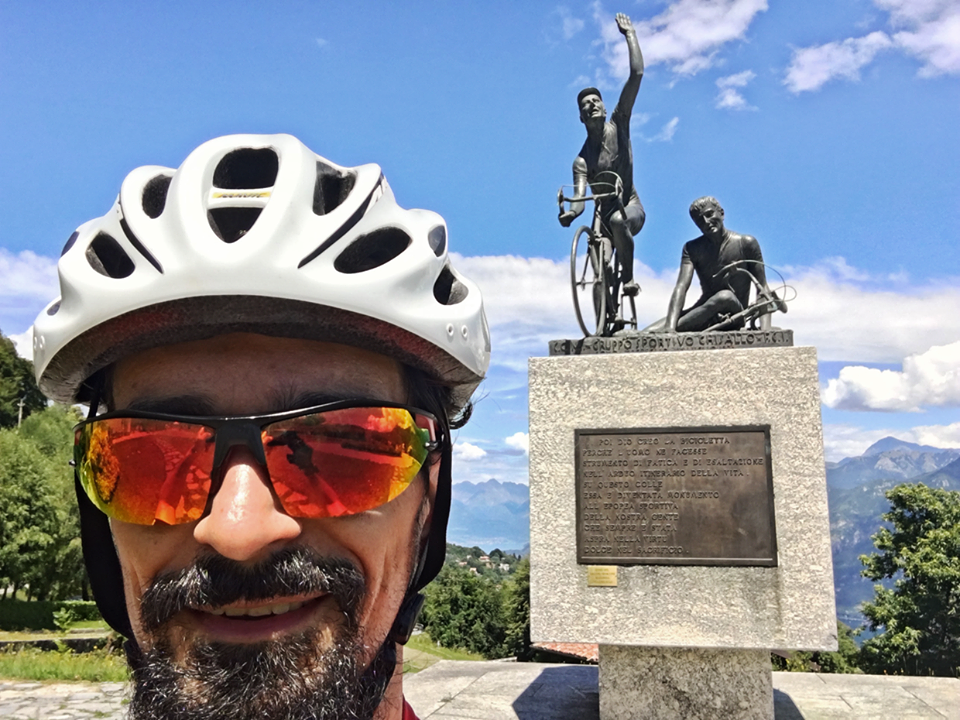
Monumento al ciclista sul Ghisallo © Leo Colalillo

Quest’anno l’estate proprio non vuole arrivare e forse neanche la primavera, dicono che sia stato il maggio più freddo dal 1957, nello stesso periodo in cui si è svolto uno degli eventi ciclistici più importanti del mondo, il Giro d’Italia.

This year summer just doesn’t want to come and perhaps not even spring, they say it was the coldest May since 1957, and during that same period, one of the most important cycling events in the world took place, il Giro d’Italia.

Come è noto, il Giro d’Italia attraversa i posti più belli d’Italia soprattutto montani, e quest’anno la tappa che prevedeva il passo Gavia non si è svolta. Parliamo di una salita di circa 26km che da Bormio (1.220m s.l.m.) sale fino a 2.621 s.l.m ed è tuttora coperta di neve.

As many know, il Giro d’Italia crosses the most beautiful places in Italy, especially those in the mountains, and this year the stage that included il passo Gavia did not take place. We’re talking about a slope of about 26km which from Bormio (1.220m above sea level) rises up to 2.621m and is still covered with snow.

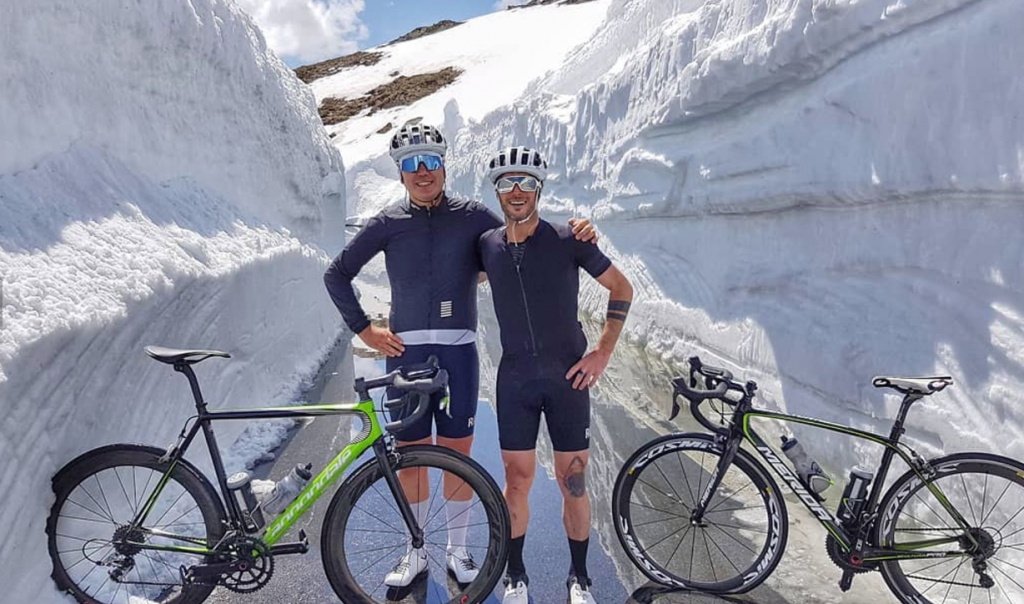
© Carlo Gironi – Stelvio 9 Giugno 2019

Io ancora non mi sono misurato con il passo Gavia nè con lo Stelvio (foto sopra), ma probabilmente lo farò durante questa estate, perché prima o poi la neve si scioglierà dato che un paio di settimane fa è arrivato il primo giorno caldo di questo lungo inverno. In quei giorni mi sono detto che dovevo affrontare una di quelle salite leggendarie, per chi ama fare sport ed andare in bici. Quel giorno inoltre decido di incontrarmi con altri amici per fare una sgambata di gruppo.

I haven’t yet measured myself with il passo Gavia nor with lo Stelvio (pictured above), but I will probably do it this summer, because sooner or later the snow will melt having the first hot day of this long winter arrived a couple of weeks ago. I told myself then that I had to tackle one of those climbs which are legendary for those who love sports and cycling. That day I also decided to meet with other friends to do a group ride.

Chilometro dopo chilometro capisco presto che abbiamo obiettivi diversi e la mia indole solitaria ottiene la meglio, ma in quei chilometri penso anche che quest’anno mi sono allenato poco e con la bici è meglio non esagerare. Avevo all’orizzonte il mio secondo Triathlon della stagione, quindi un allenamento in buona compagnia sarebbe stata una scelta saggia.

Kilometer after kilometer I soon understand that we have different objectives and my solitary nature prevails , but in those kilometers I also think that this year I have trained little, and it’s better not to overdo it with my bike. I had my second Triathlon of the season on the horizon, so a workout in good company would be a wise choice.

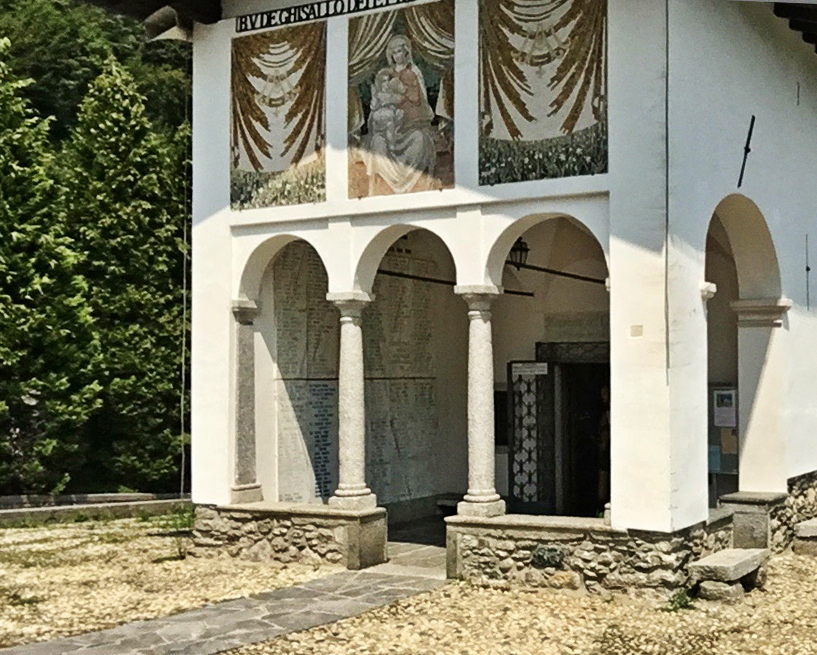
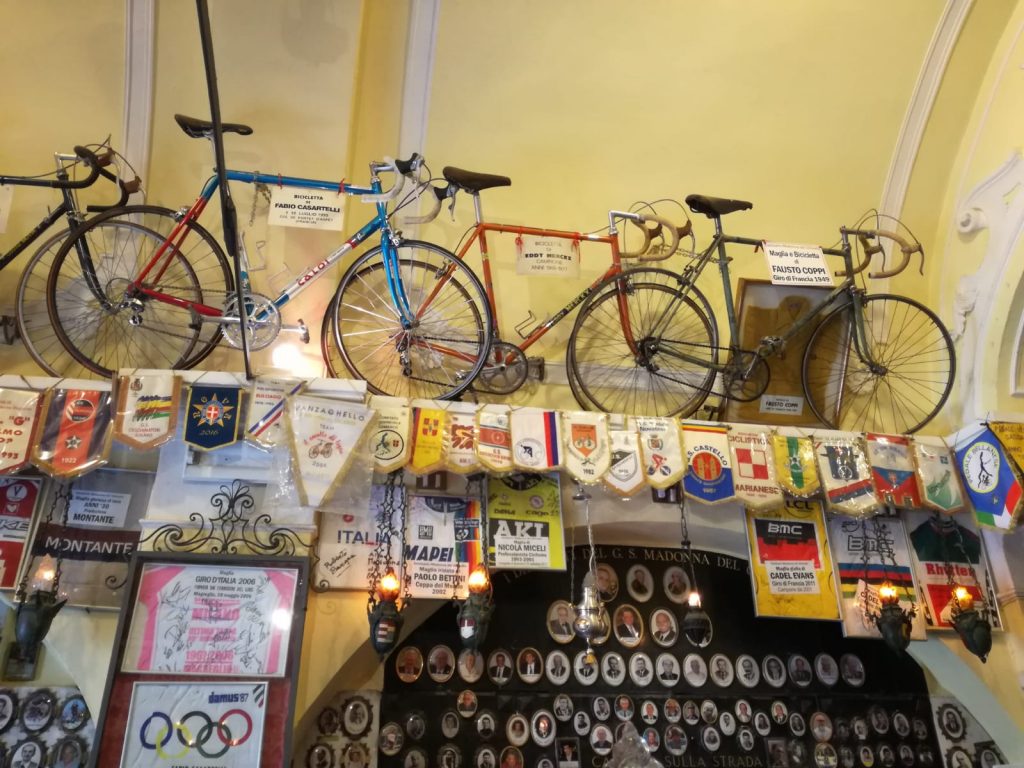
Ci dirigiamo come succede spesso in una zona dove molti ciclisti lombardi si allenano, il così detto Triangolo di Lariano, che è la penisola fra i due rami del lago di Como. Questa zona presenta strade un po’ per tutti i gusti e salite di difficoltà diverse, come il Ghisallo, tappa obbligata per i ciclisti e storica salita che ha reso celebre il Giro d’Italia. Qui si trova anche il Santuario della Madonna del Ghisallo, una piccola chiesa dove ai lati della cappella sono esposte le bici di leggende del ciclismo come Coppi, Bartali, Gimondi, ed altri.

We head as often happens in an area where many Lombard cyclists train, the so-called Triangolo di Lariano, which is the peninsula between the two branches of Lake Como. This area has roads for all tastes and slopes of different degrees, such as Ghisallo, a must for cyclists and a historic slope that made il Giro d’Italia famous. Here you will also find the Sanctuary of the Madonna del Ghisallo, a small church on the sides of the chapel where the bikes of cycling legends are exhibited such as Coppi, Bartali, Gimondi, and others.

Santuario della Madonna del Ghisallo © Leo Colalillo

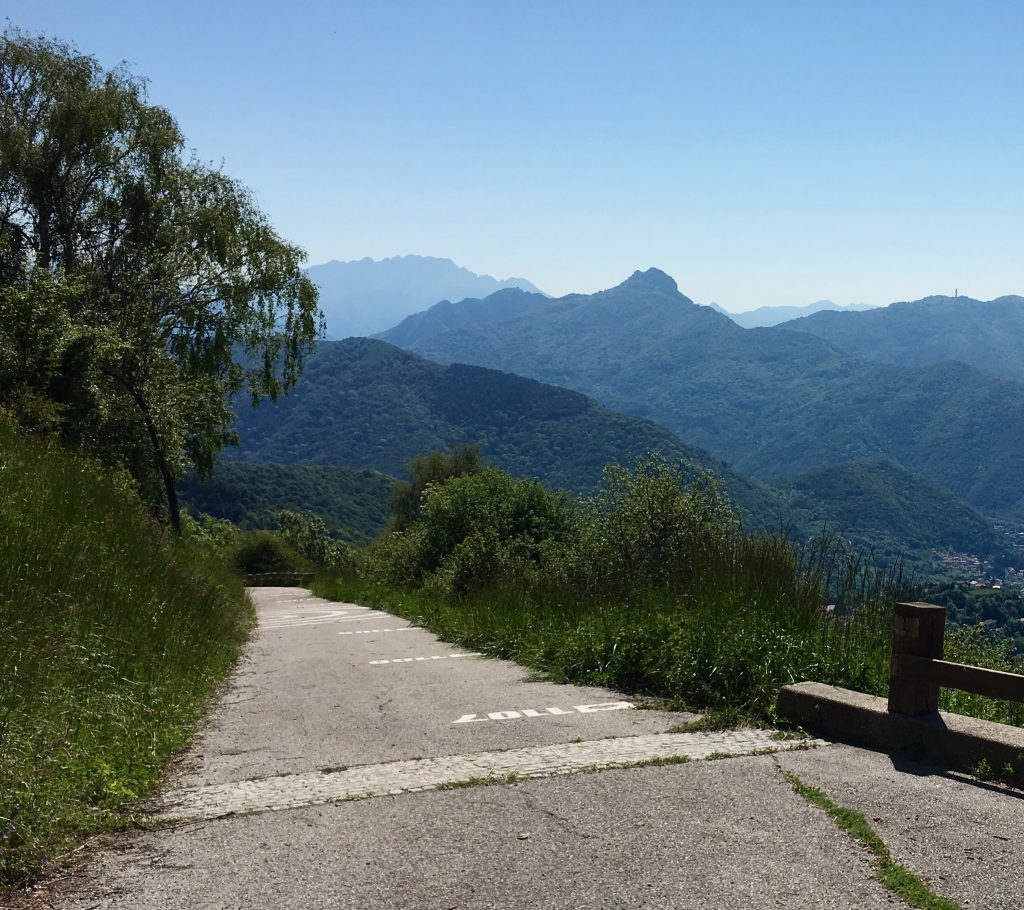
Dunque siamo in una bellissima zona, fra verde e laghi e ci fermiamo tutti insieme dopo 40km per bere e ricaricare le borracce. Alla ripartenza dopo solo qualche km vedo un’insegna: c’è scritto Sormano. Non ero sicuro che saremmo passati di lì, mi guardo alle spalle poi guardo avanti e decido in pochi secondi di abbandonare il gruppo per proseguire in solitaria.

So we are in a beautiful area, between green landscapes and lakes and we all stop together after 40km to drink and recharge our water bottles. When we restart, after only a few km I see a sign: it says Sormano. I wasn’t sure we would have gone by there, I look over my shoulder and I look ahead and decide in a few seconds to leave the group to go on alone.

È da troppo tempo che voglio fare questo percorso famoso per la sua durezza e che conduce ad un mostro sacro, il Muro di Sormano, una delle salite più dure del mondo. Curva dopo curva salgo, la salita introduttiva, che porta al muro, mi sembra abbordabile, non è troppo difficile, basta tenere il passo giusto senza esagerare, ma ad un tratto vedo l’insegna che mi indica che da quella parte inizia il Muro di Sormano. Faccio una piccola pausa di riflessione per apprezzare anche l’insegna storica che indica il percorso, quindi inforco la bici e riparto. Dopo una brevissima discesa di qualche decina di metri, la salita del Muro mi viene incontro e si presenta già durissima. Per quanto i giorni prima ci avessi pensato non avevo pianificato di farla proprio in quel momento, quindi la mia preparazione non era adeguata, ma pedalata dopo pedalata vedo che riesco ad avanzare.

For too long I have wanted to undertake this route renowned for its difficulty and which leads to a sacred monster, il Muro di Sormano (the Wall of Sormano), one of the toughest slopes in the world. Curve after curve I climb the introductory slope, which leads to the wall and seems doable to me. It’s not too difficult, as long as I keep up the pace without exaggerating, but suddenly I see the sign that indicates that il Muro di Sormano starts over there. I take a little break to reflect and to appreciate the historical sign indicating the route, then I get on the bike and keep going. After a very short descent of a few metres, the slope of the wall comes towards me and it’s already very hard. Although I had thought about it days before , I hadn’t planned to do it right then, so my preparation wasn’t adequate, but after pedaling I see that I’m able move forward.

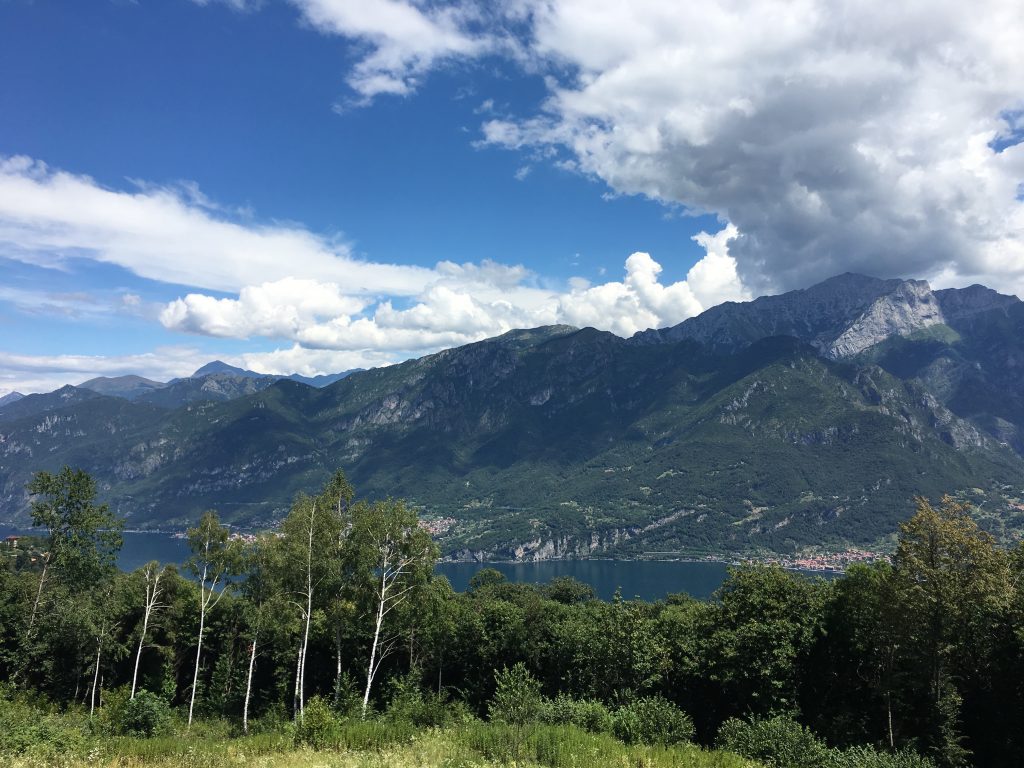
Vista dal Ghisallo verso il Lago di Como © Leo Colalillo

Il Muro di Sormano divenne famoso nel 1960 quando venne inserito nel Giro di Lombardia, infatti durante la salita sull’asfalto sono impresse frasi ed informazioni legate alla salita stessa. Negli ultimi anni tale salita fa parte anche del durissimo Giro del Demonio, evento annuale che si svolge sempre nel Triangolo di Lariano, che prevede le più dure salite della zona.

Il Muro di Sormano became famous in 1960 when it was included in il Giro di Lombardia, in fact during the climb you’ll see written on the asphalt sentences and information related to the climb itself. In the last few years this slope is also part of the very hard Giro del Demonio, an annual event that always takes place in the Triangolo di Lariano, which includes the toughest climbs in the area.

Mi fermo alcuni secondi per riprendere le energie e capire se quello sarà il giorno giusto per arrivare in cima. Con una certa caparbietà mi rimetto in sella e continuo. Date le pendenze, è molto difficile riprendere il ritmo senza rischiare di cadere. Gambe e fiato ci sono, ma la salita sembra lunghissima, non avendo pianificato nulla, non ricordavo esattamente quale fosse la lunghezza del Muro. Mi fermo ancora una volta e decido che è l’ultima pausa, intanto vedo i numeri segnati sull’asfalto e che indicano l’avvicinarsi della vetta, ma i picchi di oltre 20% di pendenza si facevano sentire e la bici scricchiola.

I stop a few seconds to regain my energy and understand if that will be the right day to reach the summit. With a certain stubbornness I get back in the saddle and continue. Given the gradients, it’s very difficult to pick up the pace without risking to fall. My legs and breath are keeping up, but the climb seems very long not having planned anything and not remembering exactly what the length of the Wall was. I stop once more and decide that it’s the last pause, meanwhile I see the numbers on the asphalt that indicate I’m approaching the summit, but I can feel the peaks of more than 20% gradient and the bike is creaking.

Leo davanti al Monumento al ciclista sul Ghisallo © Leo Colalillo

Dopo l’ultimo tornante vedo un cancello di legno e capisco che l’odissea di quasi 2km è finita. Sì, solo 2km che per i più allenati si percorrono in 15′-20′. Arrivo al cancello, scendo bevo, mangio e mi godo il panorama pensando alla salita appena affrontata, alle sensazioni e ai pensieri, capendo che questa non sarà l’ultima volta.

È solo un arrivederci!

After the last hairpin bend I see a wooden gate and I understand that the odyssey of almost 2km is over. Yes, it’s only 2km which for the more trained cyclists can be completed in 15′-20′. I reach the gate, I get off the bike, I drink, I eat, and I enjoy the landscape thinking of the climb I just confronted the sensations and thoughts, realizing that this will not be the last time.

It’s just a goodbye!

2 Giugno 2019 (Muro di Sormano) © Leo Colalillo

Leo Colalillo è un designer grafico laureato con la Lode all’Istituto Europeo del Design di Roma. Lavora tra Roma e Milano. I suoi lavori si trovano su MyFonts e sono pubblicati su Typodarium (2016, 2017, 2019).
Web: http://leocolalillo.com/


Leo Colalillo is a graphic designer graduating with honors at the European Institute of Design in Rome. He works between Rome and Milan. His works can be found on MyFonts and are published on Typodarium (2016, 2017, 2019).
Web: http://leocolalillo.com/


Scopri tutti i miei articoli recenti ~ discover all my recent articles:

You cannot copy content of this page