google.com, pub-1205142185266664 , DIRECT, f08c47fec0942fa0

L’anno del cibo italiano

The year of Italian food

The year of Italian food

Scritto da Linda Caprio Cooper, May 7, 2018

Hai sentito che quest’anno è l’anno del cibo italiano? Durante l’anno, a partire da gennaio, l’Italia celebra i legami importanti fra cibo, arte e paesaggio.  È un’iniziativa di Maurizio Martina, Ministro delle Politiche Agricole insieme con Dario Franceschini, Ministro dei Beni Culturali e del Turismo. Tutt’e due dicono che si tratta di accrescere la reputazione dell’Italia negli occhi del mondo.

Have you heard that this year is the year of Italian food? During the year, starting from January, Italy celebrates the important links between food, art and landscape. It is an initiative by Maurizio Martina, Minister of Agricultural Policies together with Dario Franceschini, Minister of Cultural Heritage and Tourism. Both say that it is about increasing Italy’s reputation in the eyes of the world.

Il governo italiano ed anche gli italiani stessi si rendono conto del ruolo importantissimo della cucina italiana che è amata in tutto il mondo.  Infatti, credono che il cibo sia il primo simbolo dell’Italia.

The Italian government and even the Italians themselves realize the important role of Italian cuisine which is loved all over the world. In fact, they believe that food is the first symbol of Italy.

Nel corso del 2018 ci saranno circa 400 musei che accentueranno i quadri e le sculture che rappresentano il cibo italiano.  Vogliono che i turisti visitino i musei, i monumenti e i parchi e scattino delle foto. Poi possono condividerle su Instagram sulla pagina dei Musei Italiani.

During 2018 there will be about 400 museums that will accentuate the paintings and sculptures that represent Italian food. They want tourists to visit museums, monuments and parks and take photos. Then they can share them on Instagram on the page of the Italian Museums.

Ci saranno anche un sacco di iniziative ed eventi che faranno pubblicità alle tradizioni alimentari ed all’industria alimentare italiana.  Per esempio ci saranno molti percorsi turistici in tutta la campagna. I visitatori potranno vedere di prima mano la connessione tra il paesaggio ed i prodotti italiani.  Ogni percorso racconterà la storia del cibo o del vino locale, ma anche delle tradizioni e dei festeggiamenti che si basano sul cibo.

There will also be a lot of initiatives and events that will advertise the food traditions and the Italian food industry. For example, there will be many tourist routes throughout the countryside. Visitors will see first hand the connection between the landscape and Italian products. Each route will tell the story of local food or wine, but also of traditions and festivities based on food.

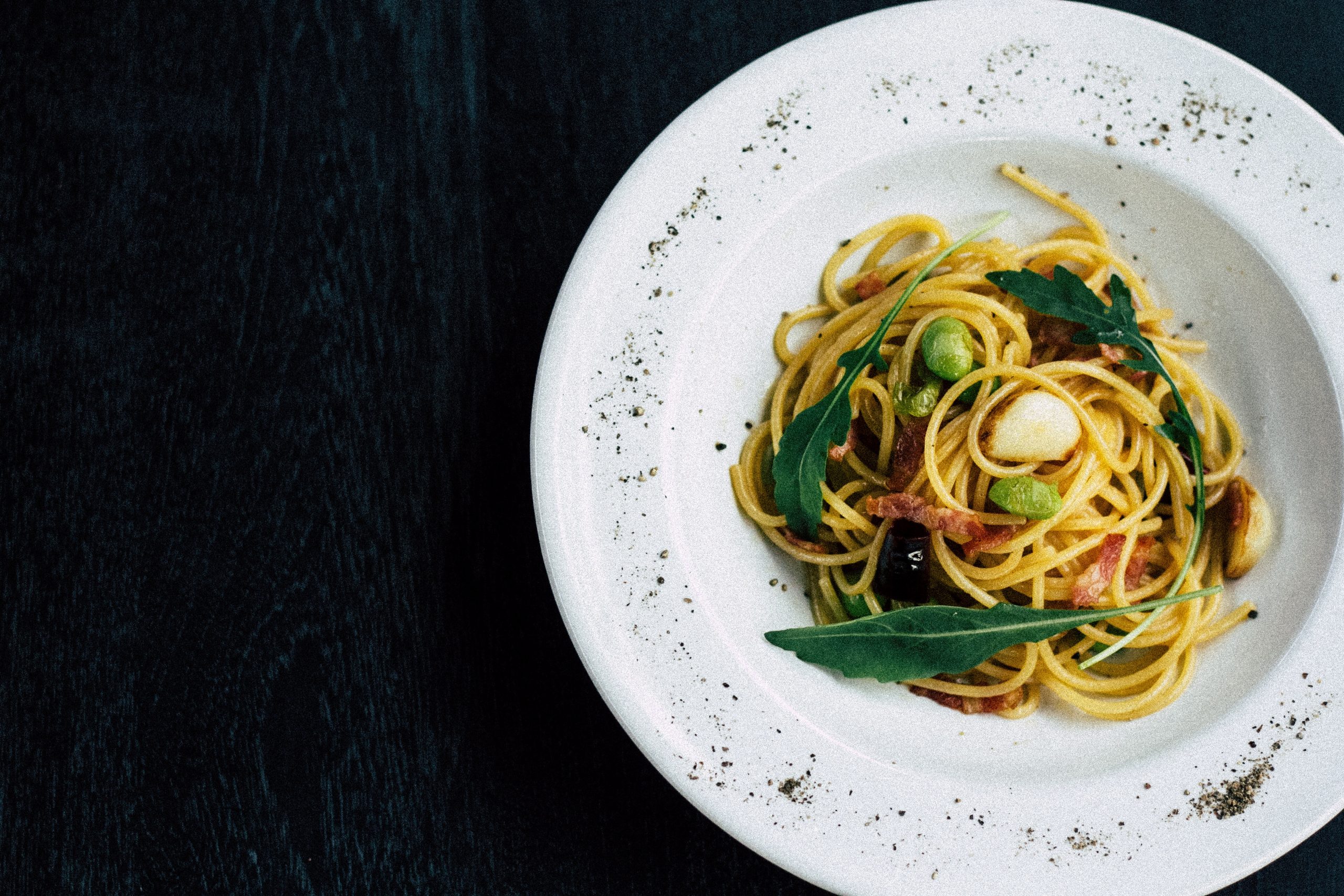
C’è una pagina Facebook (annodelciboitaliano) dove si possono vedere tutte le foto dei cibi condivise da molte persone. Sarà un banchetto per gli occhi.  Ci ho visto biscottini, arancini, orecchiette, lasagne vegetariane, focacce, ricotta fresca, pasta carbonara, pasticcini di mandorla e delle fragolone! Che goduria.  Che sapori deliziosi!!

There is a Facebook page (annodelciboitaliano) where you can see all the photos of food shared by many people. It will be a feast for the eyes. I saw biscuits, arancini, orecchiette, vegetarian lasagna, focaccia, fresh ricotta, carbonara pasta, almond pastries and big strawberries! What a delight! What delicious flavors!!

Sono fortunata perché quest’autunno andrò in Italia per un mese.  Vedrò come fanno il parmigiano reggiano a Parma. A Modena vedrò come viene fatto l’aceto balsamico.  E in Puglia vedrò come sono fatte le orecchiette. Faremo un giro in Toscana dove si trovano molti vigneti.  Spero di fare una passeggiata a Bologna, la capitale gastonomica d’Italia. Salute e mangia!

I am lucky because this autumn I am going to Italy for a month. I’ll see how they make Parmigiano Reggiano in Parma. In Modena I will see how balsamic vinegar is made. And in Puglia I will see how the orecchiette are made. We will take a tour in Tuscany where there are many vineyards. I hope to take a walk in Bologna, the gastronomic capital of Italy. Happy health and eat!

Pensi che l’anno del cibo italiano richiamerà l’attenzione del mondo sull’Italia?  Pensi che migliorerà l’immagine dell’Italia in tutto il mondo?

Do you think that the year of Italian food will attract the attention of the world toward Italy? Do you think that the image of Italy will improve all over the world?


About the author:
Linda Caprio Cooper is an Italian-american with a great passion for her Italian heritage, who has been studying Italian with Mirella for over 2 years. She enjoys writing short stories in Italian and exploring the Italian language and culture.


Read next:

How do you translate “if” in Italian?

How to use idiomatic expressions formed by “avere” and “essere”
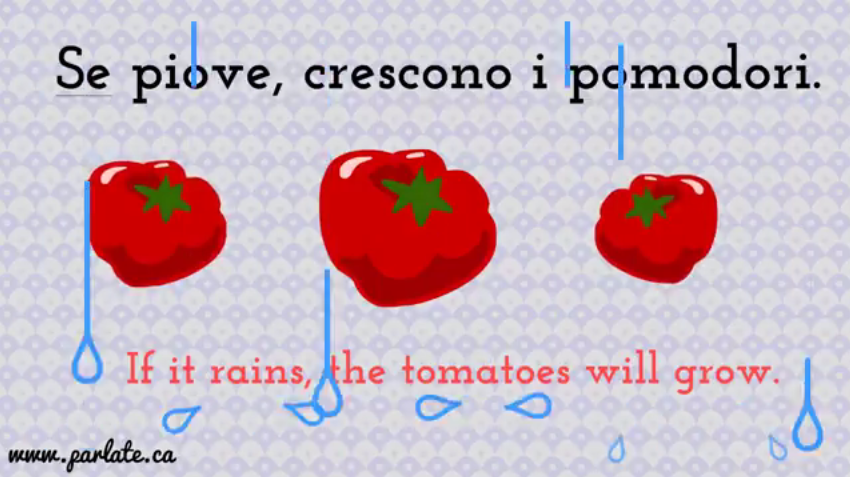
How do you translate “if” in Italian?

I diversi usi di “SE” /  The different uses of “if” in Italian

IngleseItaliano
  
if conj (in case that)se cong
If what he said is true, then we will have to accept the conclusion.Se quello che ha detto è vero dovremo accettarne la conclusione.
  
if conj (on condition that)se cong
I’ll only buy the car if they fix the brakes first.Comprerò la macchina solo se prima sistemeranno i freni.
  
if conj (supposing that)se cong
If you’re such a chef, why do you always burn the pizza?Se cucini così bene perché bruci sempre la pizza?
  
if conj (whether)se cong
Do you know if she’s at home?Sai se è in casa?
  

e altre traduzioni / and more translations:

IngleseItaliano
  
if conj (although)sebbene, benché, seppur cong
Although bad weather was expected, the storm was a surprise.Sebbene ci aspettassimo del brutto tempo, il temporale è stata una sorpresa.
  
if conj (exclamatory starter)se cong
If only I’d known!Se solo avessi saputo!
  
if n (supposition) (forse)se nm
Mario’s decision to run for election is still a big if.La decisione di Mario di candidarsi alle elezioni è un grosso se.
  
if n (stipulation, requirement)se nm
No ifs or buts allowed!Non sono ammessi se o ma!

How do you compare things in Italian?

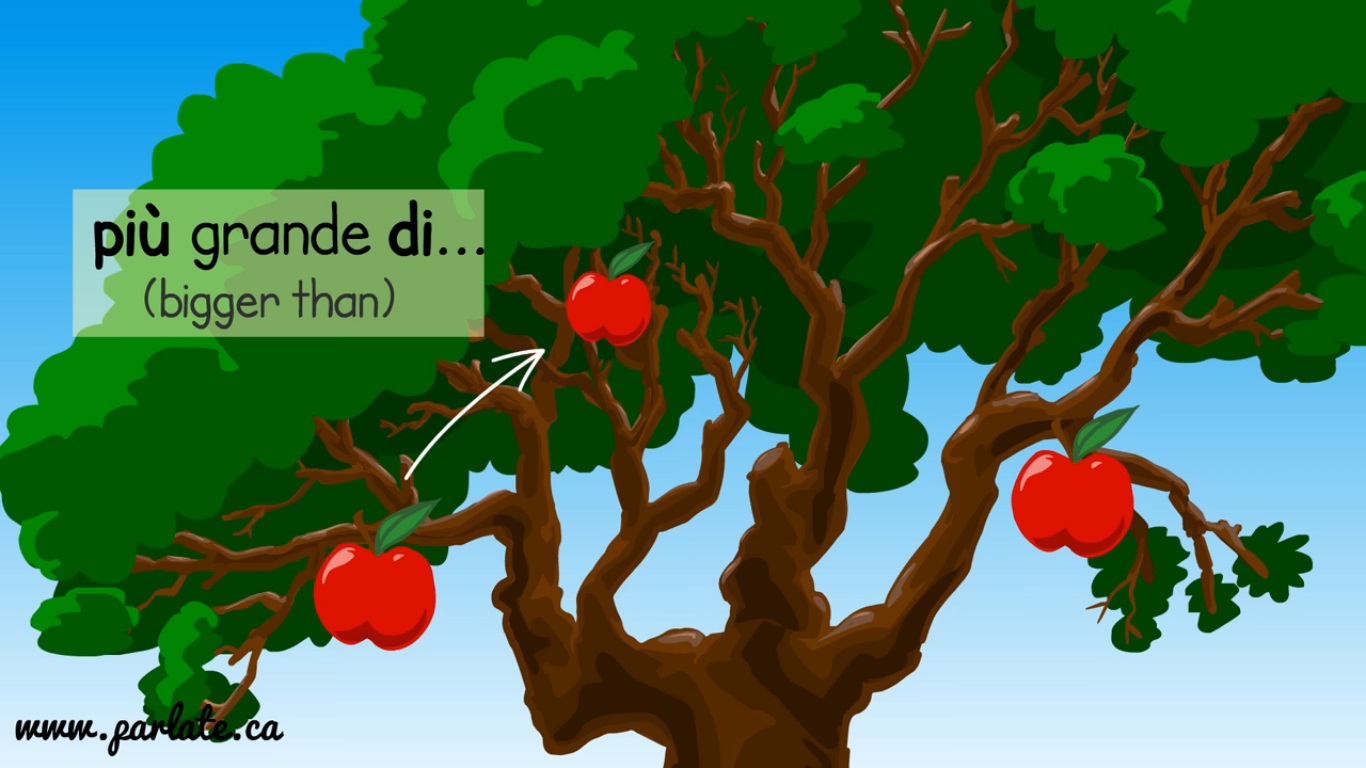
I 3 comparativi in italiano

Being able to compare things (comparare, fare paragoni) is essential especially if you are among  Italians: “This coffee is stronger than that one” … “That train is slower than the other” …

In these videos I explain how to use the comparative in Italian in 3 different cases. 


Special Comparatives and Superlatives

adjective

comparative

relative comparative

absolute superlative

buono – good

cattivo (brutto) – bad

grande – big

small – piccolo

alto – high

basso – low

migliore – better

peggiore – worse

maggiore – bigger

minore – smaller

superiore – higher

inferiore – lower

il migliore – the best

il peggiore – the worst

il maggiore – the biggest

il minore – the smallest

il superiore – the highest

l’inferiore – the lowest

ottimo – excellent

pessimo – terrible

massimo – maximum

minimo – minimum

supremo – supreme

infimo – worthless

Examples:

1) He is the worst politician in the Italian history.
– Lui è il peggiore candidato nella storia italiana.

2) This wine is terrible.
– Questo vino è pessimo.

3) In the winter Canadian weather is worse than Italian weather.
In inverno il clima canadese è peggiore di quello italiano.

Let me know in the comments which comparativo è più bello!

A presto,
Mirella


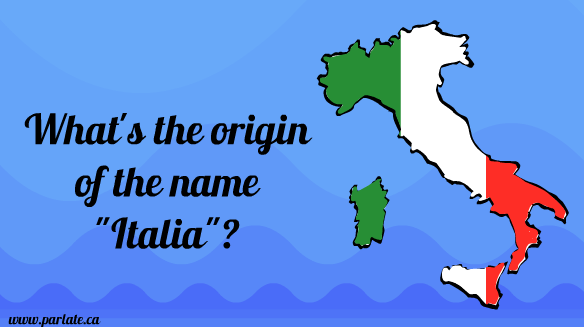
What’s the origin of the name “Italia”?

Mirella Colalillo, 14 marzo 2016

(English follows)

Tra pochi giorni, il 17 marzo 2016, L’italia compie 155 anni.

La storia dell’italia, nelle sue secolari  invasioni, conquiste, regni, imperi, ci lascia con una domanda: qual è l’origine del suo nome, Italia?

Trovare un’unica risposta sembra impossible, infatti le teorie sono tante, ma guardando la cartina o meglio viaggando attraverso il territorio italiano troviamo l’Italia punteggiata da sud a nord da paesini e città che hanno nomi di origine simile.  Come per esempio, Bova, Bovalino, Taurianova, Torino, Gioia Tauro, ed anche il paesino della mia famiglia, Boiano, in latino Bovianum (la città dei tori).

L’Italia che conosciamo oggi non è sicuramente la stessa dei tempi della Magna Grecia, infatti all’epoca era solo una piccola area, dove si parlava anche il greco.

Illustriamo il tutto con questo video per capire il signficato del nome, Italia!

Buona visione,
Mirella

In a few days on March 17, 2016, Itally turns 155 years old.

The history of Italy, during centuries of invasions, conquests, kingdoms, empires, leaves us with a question: what is the origin of her name, Italy?

Finding a single answer seems impossible, in fact, the theories are many, but looking at the map or better traveling through the Italian territory we’ll find Italy punctuated from south to north with towns and cities that have similar names. For example, Bova, Bovalino, Tauranga, Turin, Gioia Tauro, and even my family’s town, Boiano, Bovianum in Latin, (the city of bulls).

Italy as we know her today is definitely not the same as during the age of Magna Grecia, in fact at the time it was only a small area, where they also spoke Greek.

Let’s illustrate it all with this video to understand the meaning of the name, Italy!

Buona visione,
Mirella


Fiorellini gialli per ricordare

Small yellow flowers to remember

(English follows)

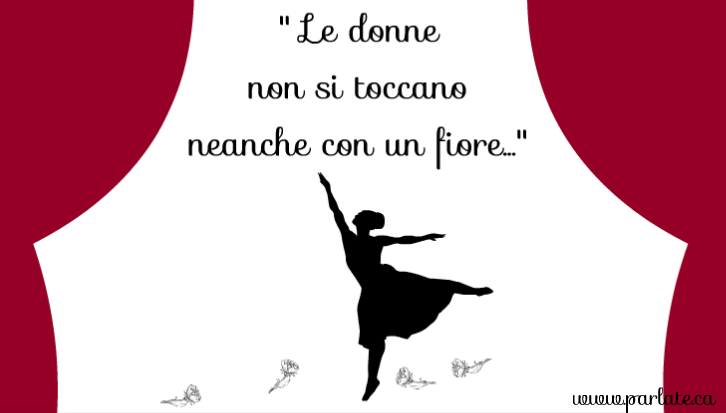
“Le donne non si toccano neanche con un fiore.” Si dice così, ma la realtà è a volte ben diversa.

In questo periodo dell’anno in Italia il paesaggio si colora di un bel giallo acceso, non parlo dei profumatissimi limoni che anche popolano giardini e strade, ma dell’albero delle mimose.

La fioritura della mimosa segnala l’inizio della primavera ed è diventato costume regalare alle donne un ramoscello di questi fiorellini l’8 marzo, la Festa delle Donne.

Ho sempre considerato questa “festa” piuttosto come un giorno commemorativo per le tante donne vittime nella nostra società di abuso fisico e psicologico e per tale motivo ho creato un breve video che vuole essere di incoraggiamento sia per gli uomini che per le donne.

In Italia la vita per le donne non è tutta rose e fiori e ce lo ha ricordato di recente il nuovo decreto di legge varato dal Consiglio dei Ministri il 15 gennaio scorso. Le nuove norme contemplano un inasprimento della multa per il reato di aborto clandestino.

L’aborto per le donne italiane è un percorso ad ostacoli. “Il 70 per cento dei medici e degli infermieri sono obiettori di coscienza (non effettuano aborti), ma ci sono Regioni dove l’obiezione è ancora più alta. La Calabria è al 73%, la Campania all’82%, Molise al 93,3%. Molte donne devono percorrere oltre 800 km per trovare un ginecologo che non sia un obiettore di coscienza oppure devono ricorrere ad un aborto clandestino rischiando non solo una multa fino ai 10.000 euro, ma anche la vita.

Un articolo che approfondisce la questione dell’aborto in Italia: Aborto: per il Governo è “depenalizzazione”!

Documentario sulle donne italiane “Il corpo delle donne.” (da guardare e diffondere!) – clicca qui per la versione inglese con sottotitoli.

Tanto di cappello a questa conduttrice televisiva che risponde ad un popolare personaggio, il quale accusa le giovani e belle adolescenti italiane di essere la causa della prostituzione minorile in Italia. Un video da non perdere!

Infine, per chiudere in dolcezza, un po’ di vocabolario:
fiore – flower
fiorire – to flourish, to bloom
sfiorare – to almost touch, to caress
sfiorire – to wither

I fiori fioriscono sempre nonostante tutto, mostrandoci che “la speranza è l’ultima a  morire.” Coltivare autostima e rispetto verso ogni essere è la cura per ogni male.

Buona fioritura!
Mirella


“Not even with a flower are women to be touched.” So they say, but the reality is sometimes very different.

This time of year in Italy the landscape is colored by a beautiful bright yellow, I’m not talking about the fragrant lemon trees that also populate the gardens and roads, but of the mimosa tree.

The mimosa in bloom signals the start of spring and it has become custom to give women a twig of these little flowers on March 8, Women’s Day.

I have always considered this “festa” rather as a memorial day for the many women victim in our society of physical and psychological abuse and for this reason I created a short video that is intended to be an encouragement for both men and women.

Life for women in Italy is not all roses and I was recently reminded of this thanks to the new bylaw passed by the Council of Ministers on January 15. The new rules contemplate a tightening of the fine for the offense of illegal abortion.

Abortion for Italian women is an obstacle course. “70% of doctors and nurses are conscientious objectors (do not perform abortions), but there are Italian regions where the objection is even higher. Calabria is at 73%, Campania 82%, Molise is at 93,3%. Many women must  travel over 800 km to find a gynecologist who is not an conscientious objector or must resort to an illegal abortion not only risking a fine of up to 10,000 euro, but also their lives.

An article that explores the issue of abortion in Italy: Aborto: per il Governo è “depenalizzazione”!

Documentary on Italian women “Il corpo delle donne.” (to watch and share!) – click here for the English subtitled version.


Hat tip to
this TV host that responds to a popular personality who accuses the beautiful young Italian teenagers to be the cause of child prostitution in Italy.
A video to not miss!

And to conclude with “dolcezza”, a bit of  vocabulary:
fiore – flower
fiorire – to flourish, to bloom
sfiorare – to almost touch, to caress
sfiorire – to wither

Flowers bloom always despite everything thus showing us that “hope is the last to die.” Cultivating self-esteem and respect for all beings is the cure for all evil..

Happy Blooming!
Mirella


Q&A: What’s a “diminutivo” and how does it work?

Mirella Colalillo, 22 febbraio 2016

(English follows)

L’italiano è una lingua talmente ricca e malleabile che si possono rendere sostantivi e aggettivi (e anche verbi!) carucci, dolcetti e bellini con l’aggiunta di un suffisso.

Nel caso dei suffissi diminutivi, come dice la parola stessa, si puo cambiare di valore una cosa qualsiasi, la quale diventa piccola nel senso affettivo, di qualità, … Il significato che assume dipende dal contesto.

Ovviamente essendocene più di un suffisso diminutivo, abbiamo l’imbarazzo della scelta! Volendo compilare una lista completa diventa un’impresa impossibile.

Allora in questo video giochiamo con i quattro suffissi più usati nella lingua italiana contemporanea.

Buona settimanuccia,

Mirella


Italian is such a rich and malleable language that you can make nouns and adjectives (and verbs!) cute, sweet and pretty (carucci, dolcetti e bellini) with the addition of a suffix.

In the case of diminutive suffixes, as the name implies, you can change the value of any one thing, which becomes smaller in a sense that denotes affection, quality, The meaning that it takes on depends on the context.

Obviously since there are many diminutive suffixes, we are spoiled for choice (abbiamo l’imbarazzo della scelta!) Wanting to compile a complete list becomes an impossible task.

So in this video we’ll play with the four common suffixes used in the contemporary Italian language.

Have a nice little week!

Mirella

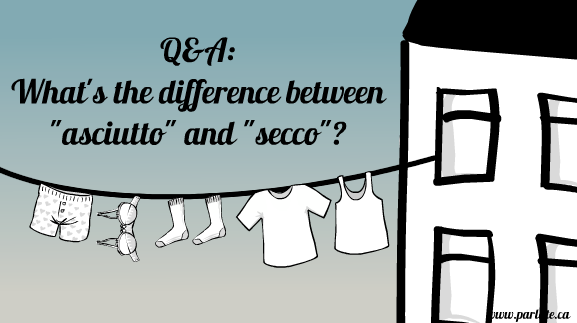
What’s the difference between “asciutto” and “secco”?

Mirella Colalillo, 15 febbraio 2016

(English follows)

Entrambi gli  aggettivi italiani “asciutto” e “secco”  si usano per indicare che qualcosa è priva d’acqua o di umidità. In inglese, invece, esiste una sola parola, “dry”, e da qui nascono tanti dubbi. Quando usare l’uno o l’altro aggettivo?

Nel video illustro in maniera semplificata una regola valida in generale. Tuttavia, come sempre ci sono dei casi particolari in cui vengono utilizzati e un buon dizionario sarà di grande aiuto per scegliere l’aggettivo giusto anche per i vari usi figurativi.

Per esempio: “Un fisico asciutto” – a lean body; oppure “Lui è secco” – he’s skinny.

Sei rimasta a bocca asciutta? Are you speechless? Allora guarda il video e ti sarà chiaro! Se hai delle domande, fammi sapere nei commenti.

Alla prossima!
Mirella


Both Italian adjectives “asciutto and “secco are used to indicate that something is devoid of water or moisture. In English, however, there is only one word, dry”, and many doubts arise from here. When to use one or the other adjective?

In the video I explain in a simplified form a rule that is valid in general. However, as always there are some special cases in which they are used and a good dictionary will be of great help to choose the right word for the various figurative uses.

For example: Un fisico asciutto” a lean body; or “Lui è secco” he’s skinny.

Sei rimasta a bocca asciutta? Are you speechless? Then watch the video and it will be clear! If you have any questions, let me know in the comments.

Until next time!
Mirella


Improve your speaking and grammar while learning some Italian jokes!

Laughing and learning italian ebook

You cannot copy content of this page